The studio's first client was itself.
How we built liana.studio
For the first few years the studio ran on a website that was really a portfolio glued together in a page builder — fine for a while, useless the moment we started saying yes to bigger, more technical work. Every new case study meant copying a page and hoping nothing broke. There was no system underneath it, only habit.
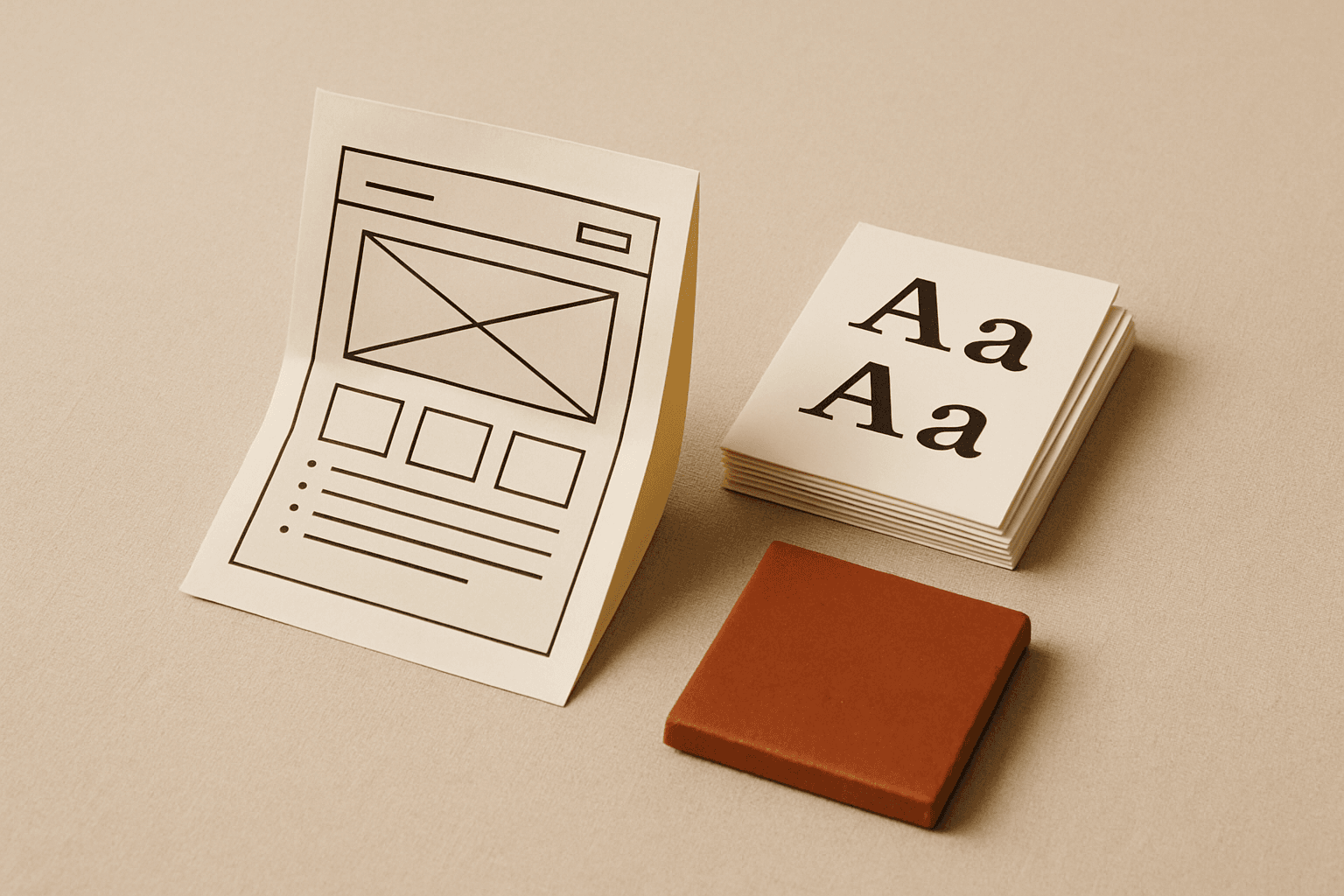
So when we finally had a slow month, we gave ourselves the brief we'd normally hand a client: a site built on a proper CMS, with every section a block someone could rearrange without touching code, and a design system tight enough that changing one color variable would ripple through the whole thing. No shortcuts, because it was ours.
The build surfaced problems we'd only ever seen from a client's side of the table — an image that didn't quite cover its frame, a pricing page repeating a promise it couldn't keep on every plan, a stats row that looked lopsided the moment a number got removed. Fixing them on our own site taught us more about the pattern than any client engagement had, because there was no deadline telling us to ship the fix and move on.
Six weeks later the studio had a site it could actually stand behind — and its first, most honest case study.
Build our own site the way we'd build a client's.
A slice-zone architecture instead of a stack of fixed pages.
Six weeks, two people, one live site.
We treated our own brief like a client's — no shortcuts, no unfinished blocks. If we wouldn't ship it to a customer, it didn't ship here either.Nora FeldDesign lead, Liana Studio